
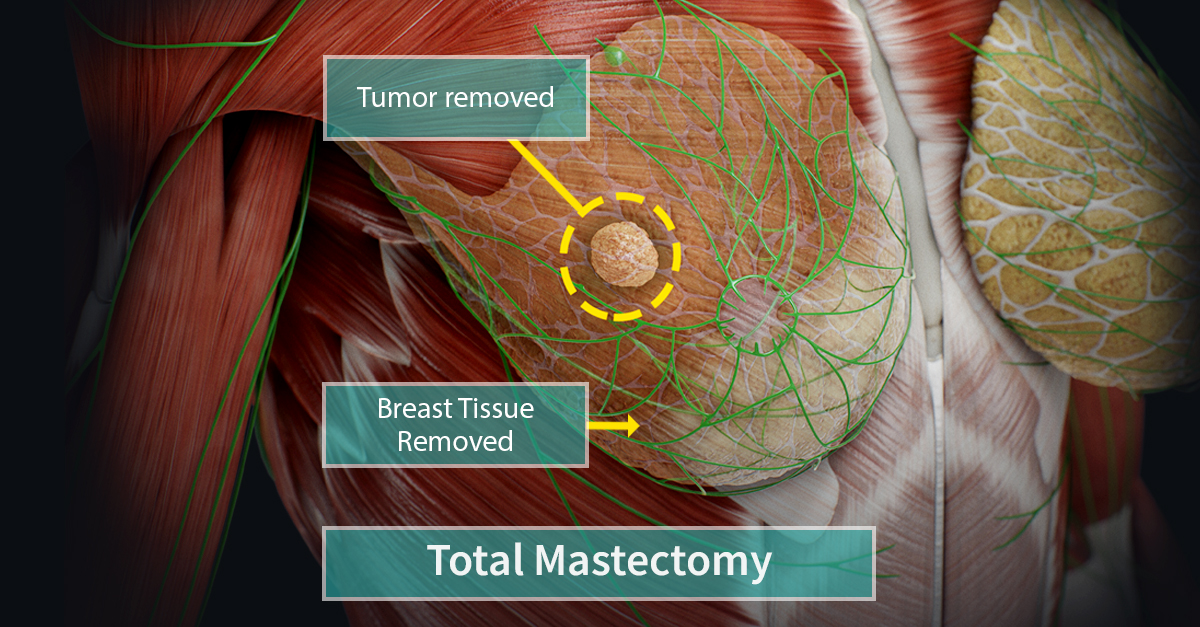

A mastectomy is a surgical procedure involving the removal of part or all of the breast tissue to treat or prevent breast cancer. Types of Mastectomy: Total (Simple) Mastectomy: Removal of the entire breast tissue while preserving the chest muscles. Modified Radical Mastectomy: Removal of the entire breast along with some axillary (underarm) lymph nodes. Skin-Sparing or Nipple-Sparing Mastectomy: Preservation of most of the breast skin (and sometimes the nipple) to facilitate reconstruction. Prophylactic Mastectomy: Preventive removal of the breast in high-risk patients. Partial Mastectomy (Lumpectomy): Removal of the tumor with a margin of healthy tissue. The choice of procedure depends on tumor size, stage, patient health status, and personal preference.
Conservative reconstruction aims to restore the natural shape and appearance of the breast after mastectomy while preserving as much healthy tissue as possible. It can be performed immediately during the same operation or delayed until after additional treatments (such as chemotherapy or radiotherapy). Reconstruction Methods: Implant-Based Reconstruction: Use of silicone or saline implants. Autologous Tissue Reconstruction (Flap Surgery): Use of the patient’s own tissue, often taken from the abdomen or back. Oncoplastic Techniques: Combining cancer removal with plastic surgery techniques to optimize cosmetic outcomes. Goals of Conservative Reconstruction: Achieve complete tumor removal. Maintain breast symmetry and natural contour. Reduce psychological impact. Improve overall quality of life.